Can Tooth Cause Too Much Saliva in the Mouth
Hypersalivation, also known equally sialorrhea or ptyalism, is when a person has besides much saliva in their mouth. It tin can event in saliva from the oral cavity spilling over the lesser lip, known equally drooling.
Depending on the cause, hypersalivation tin can either be constant or intermittent. Information technology tin as well be temporary or chronic. Often, it tin crusade a person social anxiety.
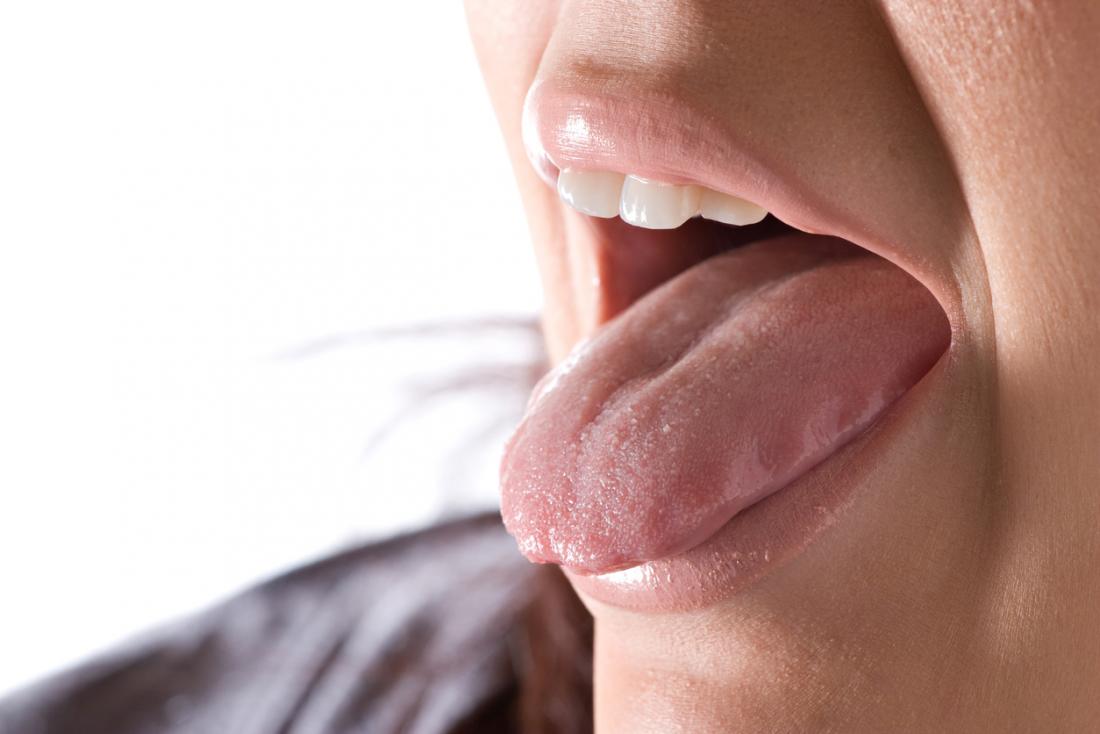
Hypersalivation is an excess of saliva in the oral fissure, which may spill out over the lip.
Hypersalivation is non a disease merely ordinarily a symptom of some other underlying condition. These other factors can range from easily treated and common causes to rare diseases.
Saliva is a clear liquid produced by the salivary glands in the rima oris. It moistens nutrient and aids swallowing. It also contains enzymes that help with digestion.
Saliva tin can assist to heal wounds and remove germs from the oral fissure, too as preclude dryness and act as a barrier against irritants and toxins.
On average, a healthy person produces betwixt 0.75 and 1.five liters of saliva each solar day. Saliva production peaks when a person is eating and is at its lowest during sleep.
As well much saliva can cause issues with talking and eating, forth with chapped lips and skin infections. Hypersalivation and drooling can also cause social feet and diminished cocky-esteem.
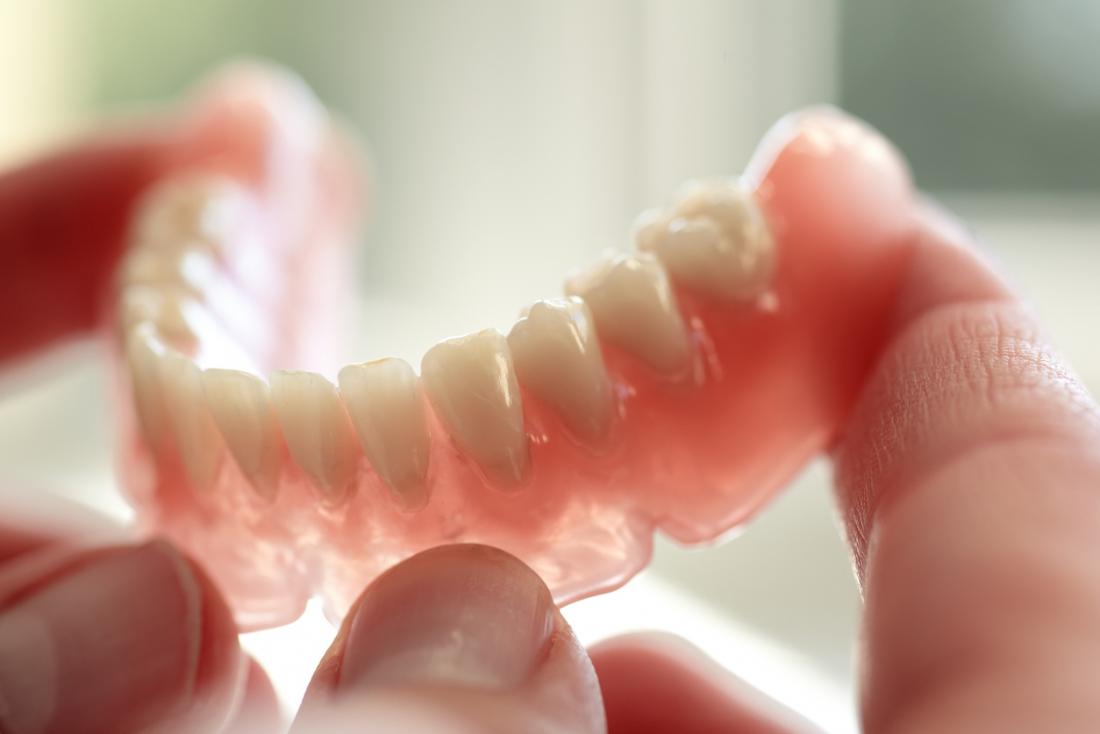
In that location are many potential causes of hypersalivation. It can be a complication from wearing dentures, or having poor oral cavity co-ordination.
Hypersalivation tin can be the result of:
- excessive saliva product
- an disability to effectively swallow or articulate saliva from the mouth
- difficulty keeping the rima oris closed
Causes of excessive saliva production, leading to hypersalivation, include:
- morning sickness or nausea during pregnancy
- sinus, throat, or peritonsillar infections
- poisonous spider bites, reptile venom, and poisonous mushrooms
- false teeth
- ulcers, inflammation, or pain in the mouth
- poor oral hygiene
- severe infections such as rabies or tuberculosis
- severe or sudden pain
- regurgitation of saliva during heartburn
- jaw fractures or dislocation
Difficulty swallowing or clearing saliva from the rima oris tin can be caused by or associated with some underlying conditions, including Down syndrome, autism, ALS, stroke, and Parkinson'due south disease. If a person as well has a sensory dysfunction, they may not always realize that they are drooling.
Causes of an inability to keep the rima oris closed, which tin can issue in drooling, include poor neuromuscular control of the muscles effectually the mouth. Cerebral palsy is an example of such a condition.
Difficulty keeping saliva in the mouth can besides exist due to:
- poor head and lip control
- a constantly open up mouth
- impaired tactile awareness
- an enlarged tongue or poor tongue mobility
- poor teeth alignment
- nasal blockage
Hypersalivation tin also result from non-medical conditions, such as seeing, smelling, or tasting food, or even simply thinking most food. It can also be caused by chewing gum or by feelings of excitement and anxiety.
Symptoms of hypersalivation include drooling, spitting, and excessive swallowing.
Other related symptoms include:
- chapped lips
- softening and damage to the skin effectually the mouth
- infection of the skin around the oral fissure
- bad breath
- dehydration
- voice communication disturbance
- pneumonia
- poor sense of taste
Hypersalivation and drooling may besides crusade psychological complications and social feet, as well touch their power to swallow or speak.
People who experience hypersalivation are more likely to inhale saliva, nutrient, or fluids into their lungs, which can lead to aspiration pneumonia. This may happen when the gagging and coughing reflexes are impaired.
The aim of diagnosing hypersalivation is to pinpoint the underlying cause and and so to recommend the best available treatment for each affected person. A diagnosis is important, every bit some of the potential causes of hypersalivation have serious complications.
To diagnose hypersalivation, a doctor may include an test of the following:
- the mouth, teeth, and surrounding skin
- tongue control, swallowing power, and jaw stability
- tonsils and nasal airways
- alertness and emotional state
- hydration, hunger, and head posture
A doctor volition usually consider it necessary to appraise other criteria, including:
- existing medical conditions and ongoing medication
- how and when hypersalivation occurs
- the corporeality of extra saliva produced
- whether or not the problem is constant or intermittent
- any adverse effects on daily life
Once the cause of hypersalivation is established, a doc may accept the post-obit factors into business relationship when recommending a treatment:
- severity and complications
- age and mental condition
- whether hypersalivation is chronic or temporary
- associated neurological conditions
- the possibility of improvement

Speech therapy and techniques for improved tongue and lip control may help treat hypersalivation.
Dealing with hypersalivation is about treating the underlying condition that is causing it, besides as managing the immediate effects of excess saliva in the mouth.
Depending on the cause, the treatment can include certain types of therapies, medications, and habitation remedies. In farthermost cases, surgery may exist considered.
Therapy: This can include behavioral modification and speech therapy. People experiencing hypersalivation may benefit from help with posture and caput control. They tin also acquire techniques for lip closure, amend natural language control, and swallowing.
Medication: The aim of medication for hypersalivation is to reduce salvia production. Anticholinergic medication may exist used, although it has a range of side effects, including drowsiness, restlessness, irritability, urinary retention, constipation, and flushing. Treatment can as well include a beta-blocker or botulinum toxin (Botox).
Habitation remedies: Drinking plenty of h2o tin reduce saliva production. Molar-brushing and rinsing with mouthwash tin also temporarily dry out out the mouth.
The successful management of hypersalivation and the resulting drooling can improve a person'due south confidence and self-esteem.
Some causes of hypersalivation may clear up over time without treatment. Such causes include pregnancy, anxiety, and minor injuries.
Other causes tin pose more serious medical challenges. This category includes neurological causes and nervus disorders.
If chronic weather are the cause, treatment may include lifelong direction of a person'southward hypersalivation.
Read the commodity in Spanish.
urbinafesionfluen.blogspot.com
Source: https://www.medicalnewstoday.com/articles/318728

Postar um comentário for "Can Tooth Cause Too Much Saliva in the Mouth"